Best Grass Seed for Shady Lawns: 7 Easy Picks
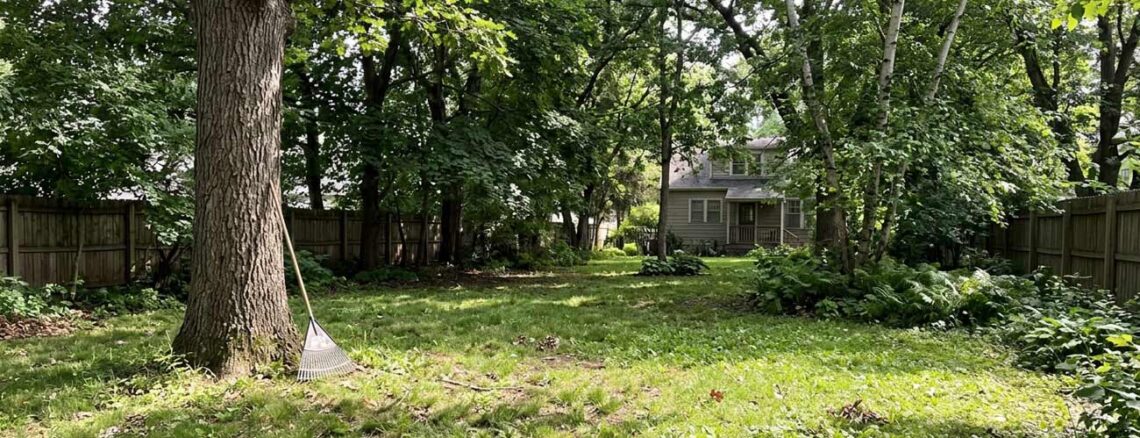
Best grass seed for shady lawns needs to tolerate low light differently than seed blended for full sun, which is why standard grass seed often struggles or fails entirely in shaded areas under trees, near fences, or along the north side of a house.
Why Shade Makes Grass Struggle
Most common lawn grasses evolved to thrive in full sun and simply can’t photosynthesize efficiently with less than 4-6 hours of light. Shaded areas also tend to stay damp longer, which invites fungal disease and gives weeds like moss a competitive edge over weakened grass.
How to Choose the Best Grass Seed for Shady Lawns
Fine fescue blends are the most widely recommended option for cool-season lawns, tolerating as little as 4 hours of dappled sunlight while staying relatively low-maintenance.
Chewings fescue handles dense shade particularly well and holds up better to foot traffic than some other fine fescues.
Creeping red fescue spreads via underground rhizomes, helping it fill in bare, shaded patches over time without constant reseeding.
St. Augustine grass is a strong warm-season option for shaded Southern lawns, tolerating moderate shade better than most warm-season varieties.
Zoysia offers decent shade tolerance among warm-season grasses, though it grows more slowly and may need supplemental seeding in the deepest shade pockets.
Rough bluegrass (Poa trivialis) thrives in cool, damp, shaded conditions, though it’s less heat and drought tolerant than fescues.
Shade-specific seed blends sold at most garden centers combine several of the above varieties, which often outperforms any single-species seed in mixed light conditions.
Prepping Soil Before You Seed
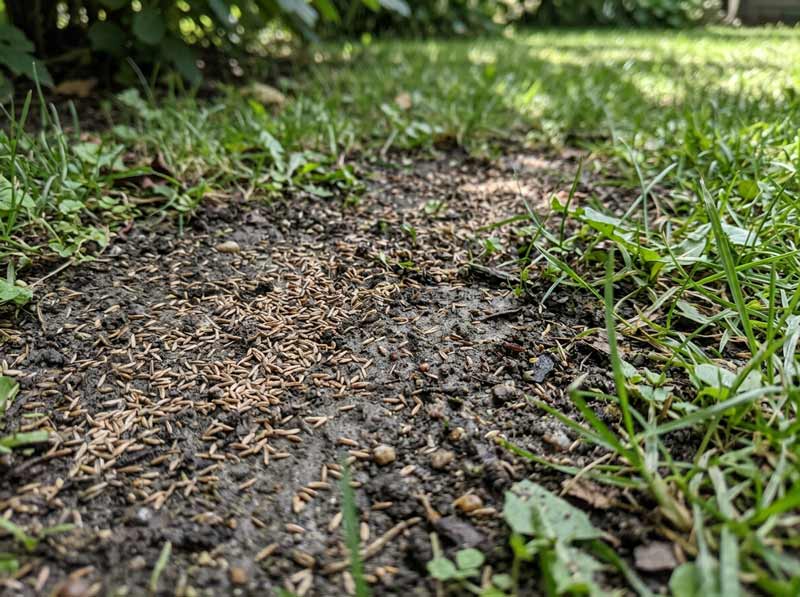
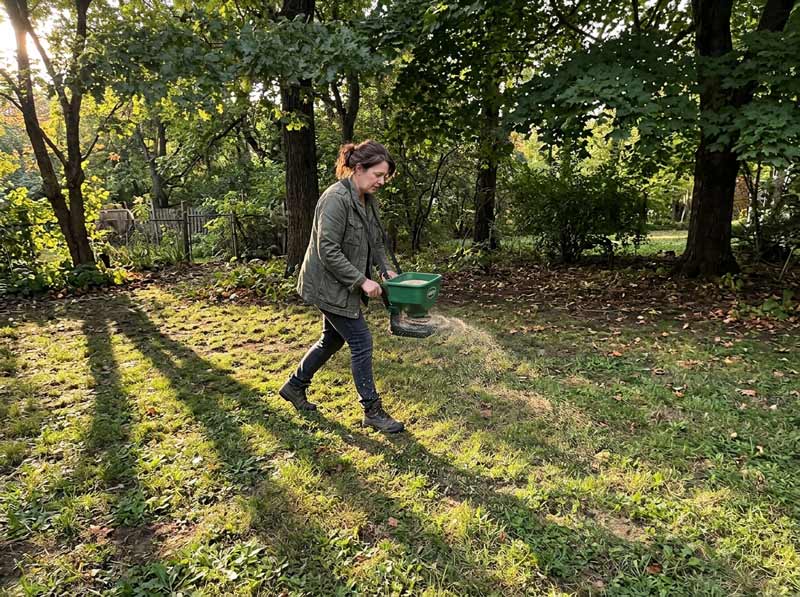
Even the best grass seed for shady lawns needs decent soil contact to germinate well. Rake away debris and thatch, then lightly loosen the top inch of soil so seed can settle in rather than sitting on a hard, compacted surface. A soil test can also reveal whether shaded soil has become too acidic over time, which sometimes happens under certain tree species like pines and oaks — a light application of lime can help correct pH if needed. Applying a thin layer of compost or topsoil over freshly spread seed improves moisture retention and protects seed from birds until it germinates.
Tips for Growing Grass in Shade
Thin out overhanging tree branches where possible to let more light reach the ground — even an extra hour of sun can meaningfully improve germination. Raise your mower height slightly in shaded areas, since taller grass blades capture more available light. Overseed in early fall or early spring when soil temperatures favor germination, and water consistently until the new seed is established. University extension turfgrass programs often publish shade-lawn guides tailored to your specific regional climate and grass zone.
Common Mistakes with Shade Lawns
Planting standard full-sun seed mixes in shaded areas is the most common and costly mistake, since it wastes both seed and time on grass that was never suited to the spot — skipping the best grass seed for shady lawns in favor of whatever bag is cheapest usually backfires within a season. Overwatering shaded areas that are already naturally damp can encourage fungal disease rather than help growth. And mowing too short removes the extra leaf surface shaded grass needs to capture what limited light is available.
Final Thoughts
Choosing the best grass seed for shady lawns comes down to matching the seed variety to your specific light conditions and climate zone, rather than assuming one bag works everywhere in your yard. A shade-specific blend, slightly taller mowing height, and a bit of patience typically turns even a stubborn bare patch into usable lawn.
Have a specific shady spot you’re struggling with? Contact us — we’re happy to help point you in the right direction.


You May Also Like
How Often to Water Your Lawn: 6 Simple Tips for a Healthy Lawn