Best Potting Soil for Container Gardens: 6 Easy Picks
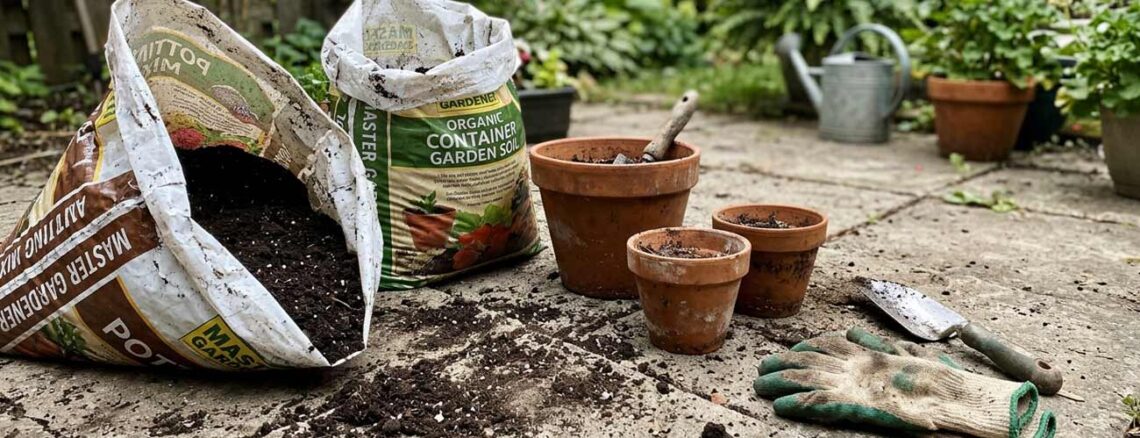
Best potting soil for container gardens looks nothing like regular garden soil, and using the wrong type is one of the most common reasons container plants struggle even with perfect watering and sunlight.
Why Container Soil Is Different From Garden Soil
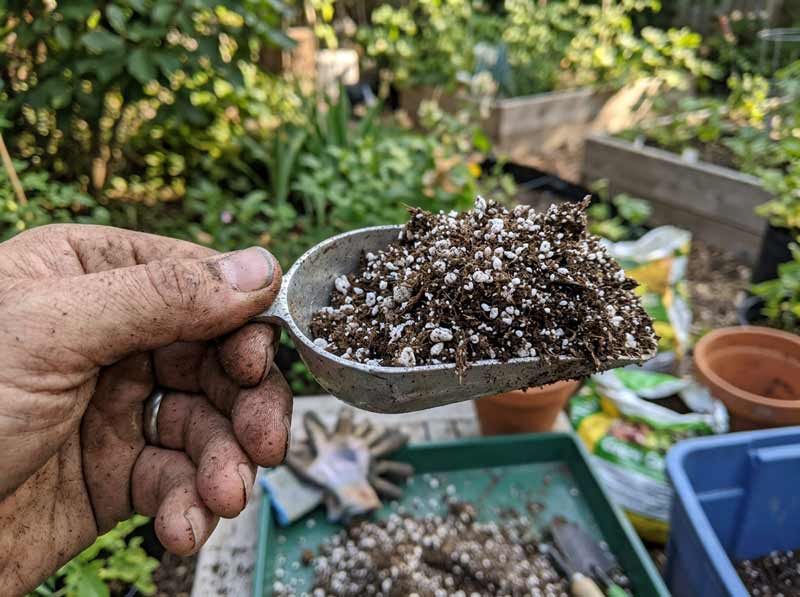
Regular garden soil compacts quickly in a pot, restricting airflow and drainage in ways it wouldn’t in the ground, which is exactly why the best potting soil for container gardens is formulated so differently. Potting mixes are formulated to stay light and airy over time, usually combining ingredients like peat moss or coconut coir, perlite, and compost rather than actual soil at all.
Choosing the Best Potting Soil for Container Gardens
General all-purpose potting mix works well for most annuals, herbs, and houseplants, offering balanced drainage and moderate moisture retention.
Cactus and succulent mix contains extra sand and perlite for fast drainage, essential for plants prone to root rot in wetter soil.
Seed-starting mix is finer and lighter than standard potting soil, giving delicate new roots less resistance as they establish.
Moisture-retentive mix (often containing added water-absorbing crystals or extra coir) suits containers that dry out quickly, like hanging baskets in full sun.
Organic potting mix skips synthetic fertilizers and pesticides, appealing to gardeners growing edible herbs or vegetables in containers.
DIY custom blends — mixing your own from peat moss or coir, perlite, and compost — give the most control over drainage and nutrients, though they take more effort upfront.
How Often to Replace Potting Soil
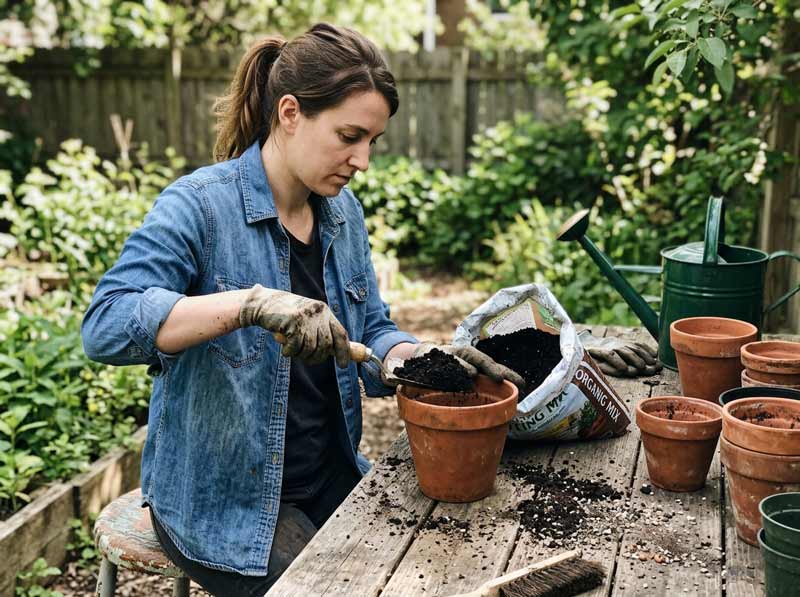
Even the best potting soil for container gardens breaks down over time, losing structure and nutrients with every watering cycle. As a general rule, refresh or fully replace soil in annual containers every year, since old, compacted mix rarely supports a full new growing season well. Perennial and shrub containers can often go 2-3 years between full replacements, though topping off with fresh mix and a bit of compost annually helps in between. Signs it’s time to replace soil include water running straight through without absorbing, a compacted or crusty surface, and visibly reduced volume from ongoing decomposition.
What to Look for on the Bag
Check for good drainage ingredients like perlite or vermiculite listed near the top of the ingredient list, since fillers like plain sand can compact over time. Avoid mixes that feel unusually heavy or dense when you pick up the bag — a light, airy texture is generally a good sign. If growing edibles, confirm the mix is labeled organic or food-safe, since some potting soils are formulated with synthetic additives not intended for consumable plants. University extension container gardening guides often include specific soil recommendations for different container plant types in your climate.
Common Potting Soil Mistakes
Reusing old, compacted potting soil without refreshing it often leads to poor drainage and depleted nutrients the following season. Using garden soil straight from the yard in containers is a frequent beginner mistake, since it compacts and drains poorly once confined to a pot. And skipping drainage holes entirely, regardless of soil quality, is one of the fastest ways to cause root rot in container plants.
Final Thoughts
Picking the best potting soil for container gardens comes down to matching the mix to what you’re growing — cactus mix for succulents, moisture-retentive blends for thirsty hanging baskets, and a solid all-purpose mix for most everything else. Refreshing or amending soil each season keeps containers performing well year after year, and it’s one of the cheapest upgrades available to any container gardener.
Have a specific container or plant type you need soil advice for? Contact us — we’re happy to help point you in the right direction.


You May Also Like