
How to Remove Weeds Without Chemicals: 7 Easy Methods
How to remove weeds without chemicals comes down to consistency and picking the right method for the weed and location you’re dealing with. Skipping synthetic herbicides doesn’t mean giving up control of your yard — it just means putting in a bit more hands-on effort in exchange for a safer space for kids, pets, and pollinators.
Why Go Chemical-Free
Many synthetic herbicides can harm beneficial insects, leach into groundwater, and linger in soil longer than most people realize. Going chemical-free also tends to encourage healthier long-term habits, like mulching and proper watering, that prevent weeds from taking hold in the first place rather than just reacting after they appear — which is really the core idea behind how to remove weeds without chemicals in the first place.
How to Remove Weeds Without Chemicals: 7 Methods That Work
- Hand-pull after rain — moist soil loosens roots significantly, making full removal (roots included) much easier than pulling from dry ground.
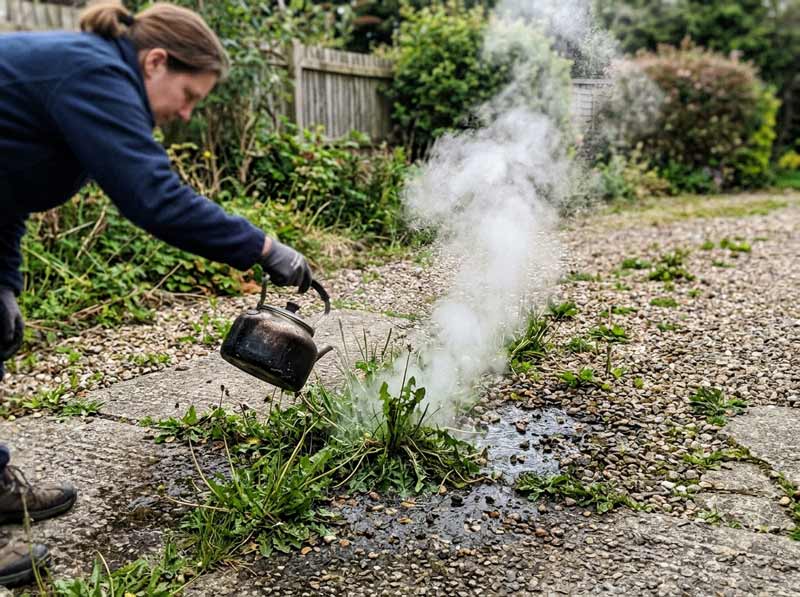
- Pour boiling water directly on weeds growing in cracks, gravel, or pathways — it kills on contact without any residue.
- Spray horticultural vinegar (20% acetic acid, stronger than kitchen vinegar) on sunny days for the best results on young, actively growing weeds.
- Mulch heavily around plants and beds — a 2-3 inch layer blocks the sunlight most weed seeds need to germinate.
- Apply corn gluten meal as a natural pre-emergent in early spring to prevent weed seeds from sprouting in the first place.
- Try flame weeding with a propane weed torch for driveways, gravel, and other non-flammable surfaces — quick and chemical-free.
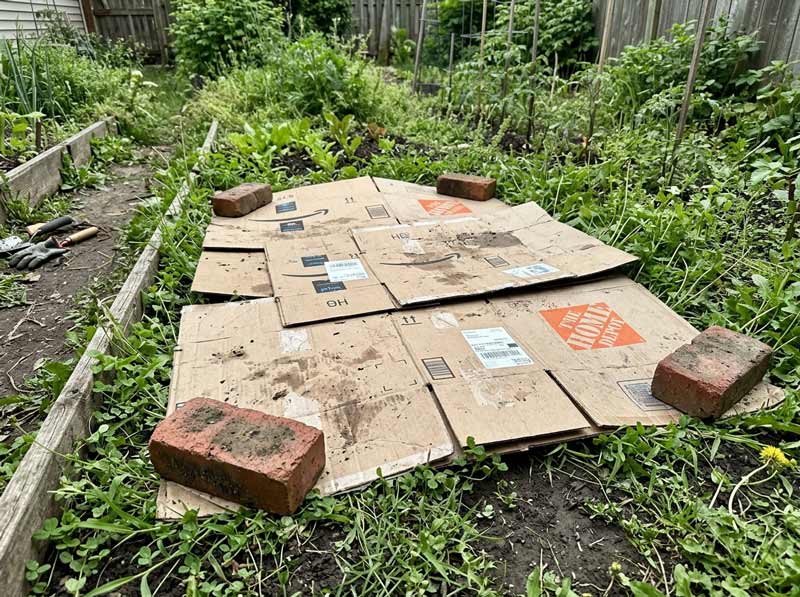
- Smother persistent patches with cardboard or several layers of newspaper topped with mulch, cutting off light for several weeks.
Choosing the Best Method for Your Situation
Not every method works equally well everywhere, and part of learning how to remove weeds without chemicals is matching the method to the location. Boiling water and flame weeding are best reserved for hardscapes like patios and gravel paths, since they’ll kill nearby desirable plants just as easily as weeds. Vinegar sprays work well for young weeds in garden beds but often need repeat applications on established, deep-rooted perennials like dandelions. For large areas overrun with weeds, smothering with cardboard tends to be the most effective long-term solution, even though it takes several weeks to fully clear a section.
Best Time to Remove Weeds
Timing affects how well any of these methods for how to remove weeds without chemicals actually work. Early morning, after dew has settled but before the day heats up, is often the best window for hand-pulling and vinegar sprays, since weeds are less stressed and soil is typically still soft. Tackling weeds before they flower and go to seed prevents that single plant from spreading dozens or even hundreds of new seeds across your yard. Late spring and early summer, right as many weeds are actively growing, tend to be the most responsive period for vinegar and corn gluten treatments, while boiling water and flame weeding work reliably in any season on hardscapes.
Preventing Weeds Long-Term
The most effective weed control usually isn’t a single method — it’s consistency paired with prevention. Keep soil covered with mulch or dense planting so bare patches don’t invite new weed seeds. Water deeply but less frequently to encourage your desired plants’ roots to outcompete shallow-rooted weeds. University Integrated Pest Management programs publish detailed, region-specific weed identification and control guides if you’re dealing with a particularly stubborn species.
Final Thoughts
Knowing how to remove weeds without chemicals just takes a bit more manual effort than reaching for a spray bottle, but the payoff is a yard that’s safer for everyone who uses it. Combine a couple of these methods based on where the weeds are growing, stay consistent, and most yards see a noticeable improvement within a single season.
Dealing with a specific stubborn weed? Contact us — we’re happy to help point you in the right direction..


You May Also Like