How to Get Rid of Aphids Naturally: 7 Easy Methods That Work
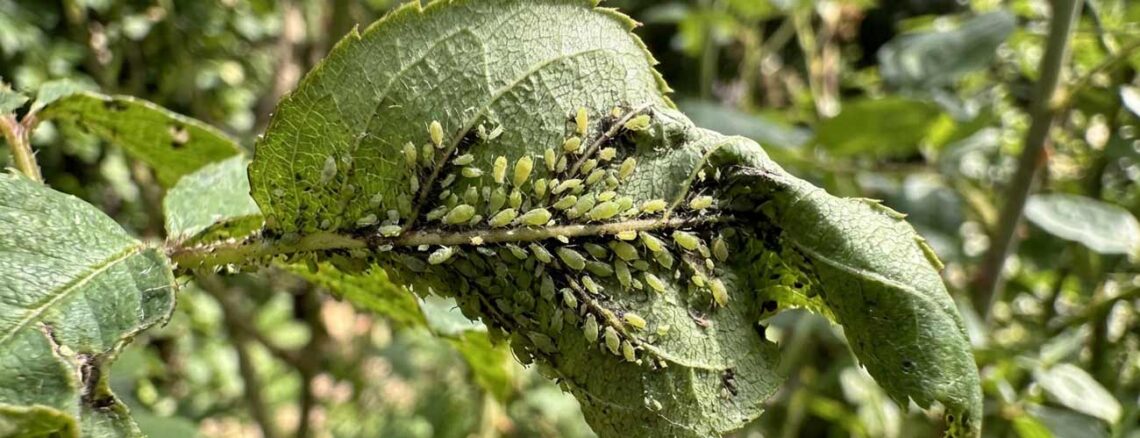
Aphids are tiny, soft-bodied insects that cluster on new growth, stems, and the undersides of leaves, feeding on plant sap. Left unchecked, they can stunt growth, curl leaves, and attract ants that protect them in exchange for the sweet honeydew they secrete. Catching an infestation early makes every method below far more effective.
What Are Aphids and Why They’re a Problem
Aphids are tiny, soft-bodied insects that cluster on new growth, stems, and the undersides of leaves, feeding on plant sap. Left unchecked, they can stunt growth, curl leaves, and attract ants that protect them in exchange for the sweet honeydew they secrete. Catching an infestation early makes every method below far more effective.
How to Get Rid of Aphids Naturally: 7 Methods to Try
- Blast them off with water — a strong spray from a garden hose knocks most aphids off plants, and they rarely climb back on.
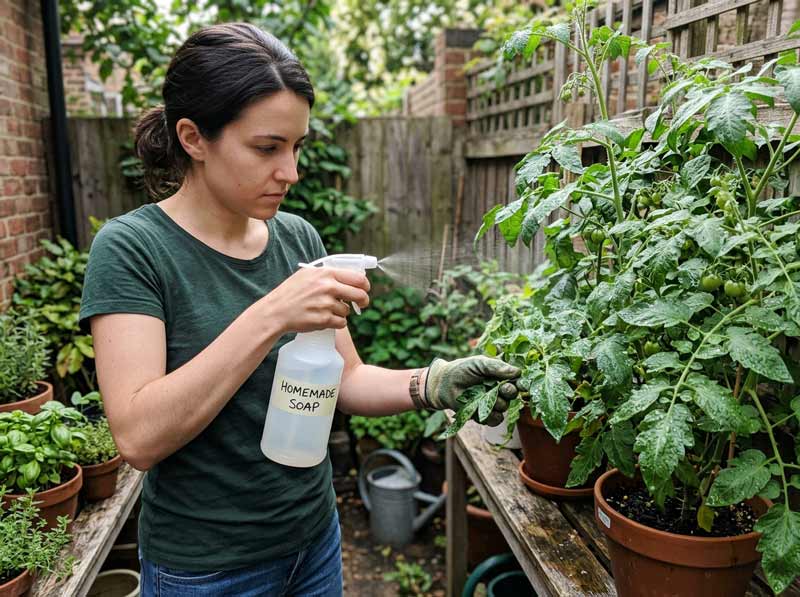
- Use insecticidal soap — mix a few drops of mild dish soap with water and spray directly on affected areas; it disrupts the aphids’ outer layer without harming most plants.
- Apply neem oil — a natural pesticide that disrupts aphid feeding and reproduction while remaining relatively safe for beneficial insects when used as directed.
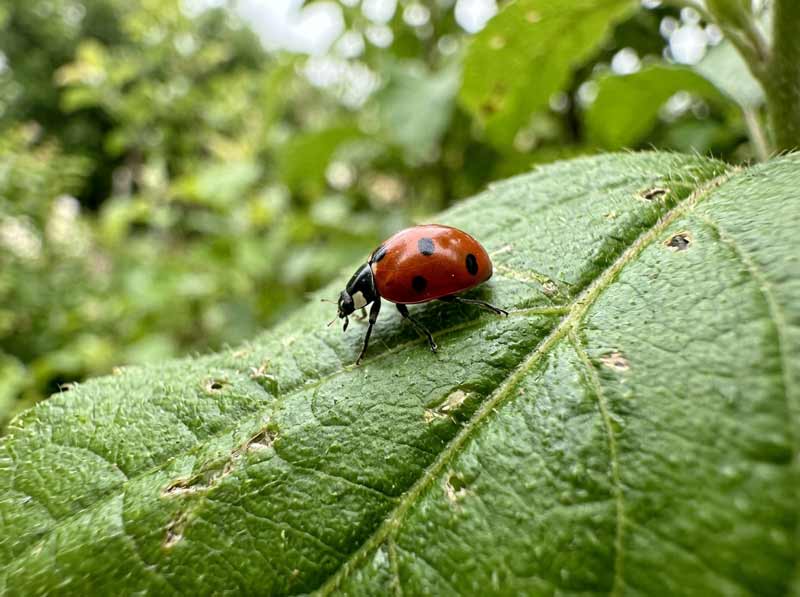
- Introduce ladybugs — a single ladybug can eat dozens of aphids a day, making them one of nature’s most effective pest controllers.
- Try companion planting — marigolds, garlic, and chives naturally repel aphids when planted near vulnerable crops like roses and vegetables.
- Sprinkle diatomaceous earth — this natural powder dehydrates soft-bodied insects on contact and works well around the base of affected plants.
- Prune heavily infested areas — sometimes the fastest fix is simply removing and disposing of the worst-affected leaves or stems.
Preventing Aphids From Coming Back
Understanding how to get rid of aphids naturally is only half the job — prevention matters just as much. Regularly inspect new growth, since aphids often target the softest, most tender parts of a plant first. Avoid over-fertilizing with nitrogen-heavy feeds, which encourage the soft, lush growth aphids prefer. Encouraging natural predators like ladybugs, lacewings, and birds by planting diverse flowering plants nearby also helps keep populations in check long-term. Many university Integrated Pest Management programs publish free, region-specific guides if you’re dealing with a persistent infestation.
Choosing the Right Method for Your Garden
Not every method for how to get rid of aphids naturally works equally well in every situation. Light infestations on hardy plants usually respond well to a simple water spray — it’s fast, free, and low-risk. Heavier infestations, especially on delicate flowers or vegetables close to harvest, tend to respond better to insecticidal soap or neem oil, since both work on contact without leaving harmful residue. If you’re gardening organically or have young kids or pets around, ladybugs and companion planting are worth prioritizing first, since they add long-term protection without any spraying at all. Many gardeners end up combining two or three methods rather than relying on just one.
When Natural Methods Aren’t Enough
If aphid populations explode despite consistent treatment, or you notice significant plant damage spreading quickly, it may be worth consulting a local garden center or extension office for additional options. Severe, recurring infestations can sometimes point to a larger issue, like nearby ant colonies actively protecting and spreading the aphids.
Final Thoughts
Knowing how to get rid of aphids naturally means catching the problem early and staying consistent — a strong water spray, insecticidal soap, or a few well-placed ladybugs will handle most infestations without any harsh chemicals. Check your plants regularly, and most aphid problems never get the chance to take hold.
Dealing with a specific pest or plant issue? Contact us — we’re happy to help point you in the right direction.

