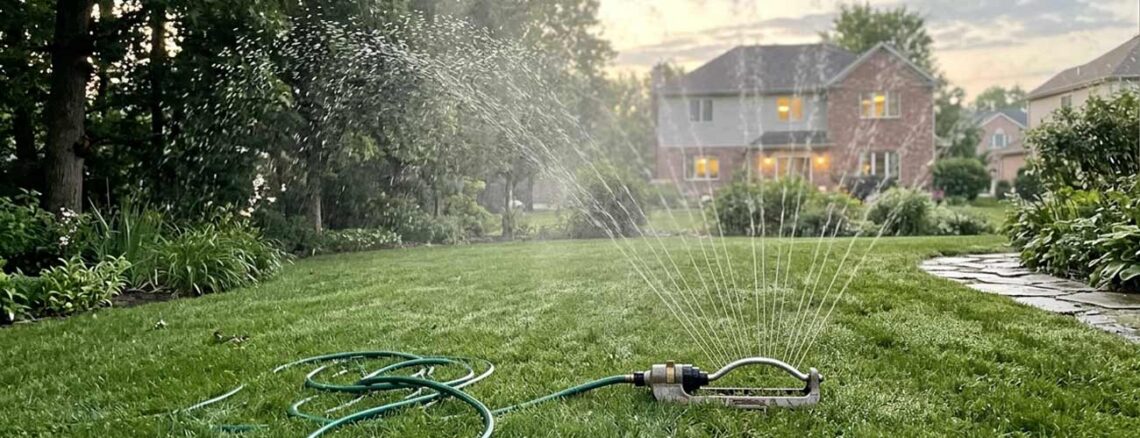
How Often to Water Your Lawn: 6 Simple Tips for a Healthy Lawn
Signs Your Lawn Actually Needs Water
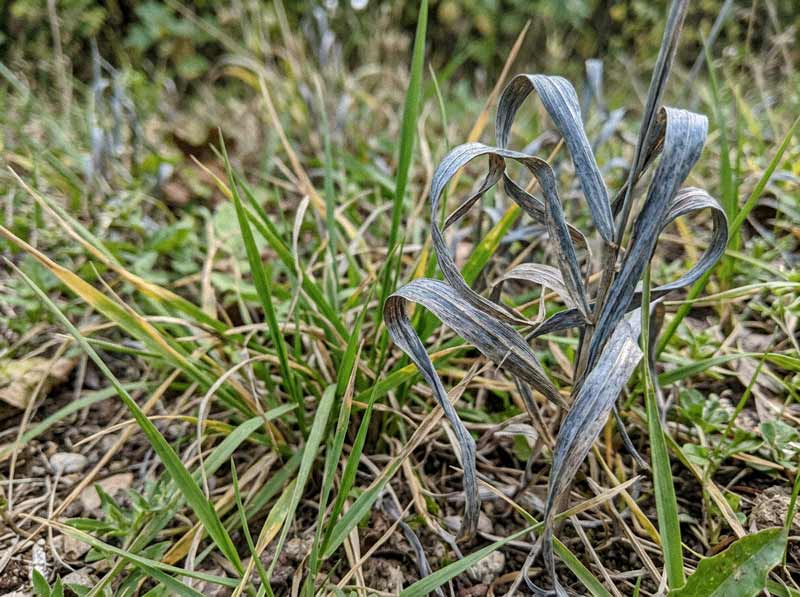
Before setting a schedule, watch for these cues: grass blades folding or curling, footprints that stay visible instead of springing back, and a slight blue-gray tint instead of healthy green. These signs mean it’s time to water, even if it hasn’t been “your usual day.”
How Often to Water Your Lawn by Grass Type
Cool-season grasses (fescue, bluegrass, ryegrass) generally need about 1-1.5 inches of water per week, split into 2-3 deep sessions rather than daily light watering.
Warm-season grasses (Bermuda, zoysia, St. Augustine) are more drought-tolerant and often do fine with 1 inch per week, sometimes less once established.
In peak summer heat, both types may need slightly more — but more frequent light watering is worse than less frequent deep watering, since shallow watering trains roots to stay near the surface.
Best Time of Day to Water
Early morning, ideally before 10 a.m., is the best time to water your lawn. This gives grass time to absorb moisture before the heat of the day causes evaporation, and it reduces the risk of fungal disease that comes with watering in the evening, when grass stays damp overnight.
Common Lawn Watering Mistakes
Getting how often to water your lawn wrong usually comes down to one of these habits:
- Watering daily in short bursts — trains shallow roots and wastes water
- Watering in the evening — increases risk of fungus and disease
- Ignoring rainfall — skip or reduce scheduled watering after a good rain
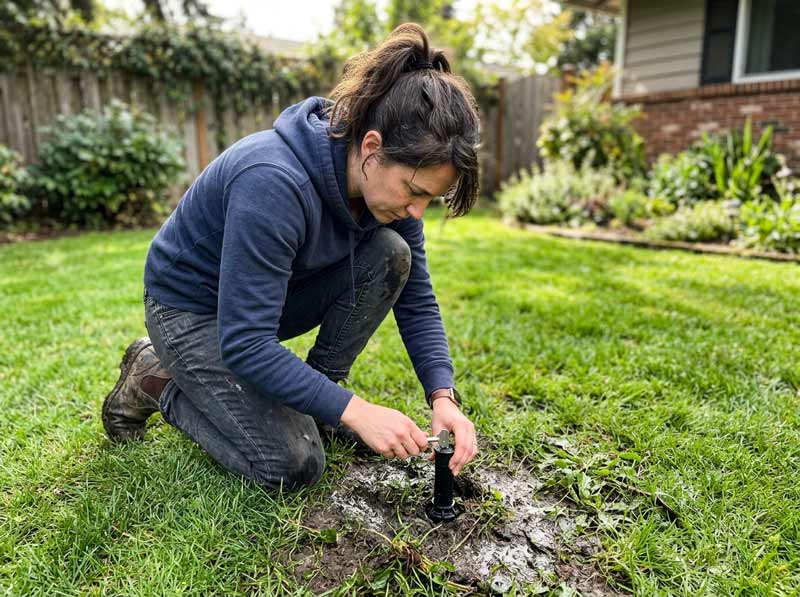
- Using the wrong sprinkler pattern — check for dry patches your system might be missing
- Watering on a fixed schedule year-round — adjust how often you water your lawn as temperatures and rainfall change through the season
The EPA’s WaterSense program offers additional tips on efficient outdoor watering if you want to reduce your water bill alongside a healthier lawn.
Final Thoughts
How often to water your lawn isn’t a fixed rule — it shifts with your grass type, soil, and the weather that particular week. Pay attention to how your lawn actually looks and feels, water deeply rather than often, and it’ll hold up far better through the hottest months.
Have a specific lawn or grass type question? Contact us — we’re happy to help point you in the right direction.


You May Also Like