How to Winterize Your Garden: 8 Simple Steps Before Frost
How to winterize your garden before the first frost makes a noticeable difference in how strong everything comes back next spring. A few hours of prep in fall protects your soil, perennials, and tools through the cold months, and saves a lot of cleanup and replacement costs later.
Why Winterizing Matters
Leaving diseased plant debris in place over winter gives pests and pathogens a place to survive until spring, while exposed soil is more prone to erosion and nutrient loss. A little fall preparation protects next year’s growing season far more than most gardeners expect.
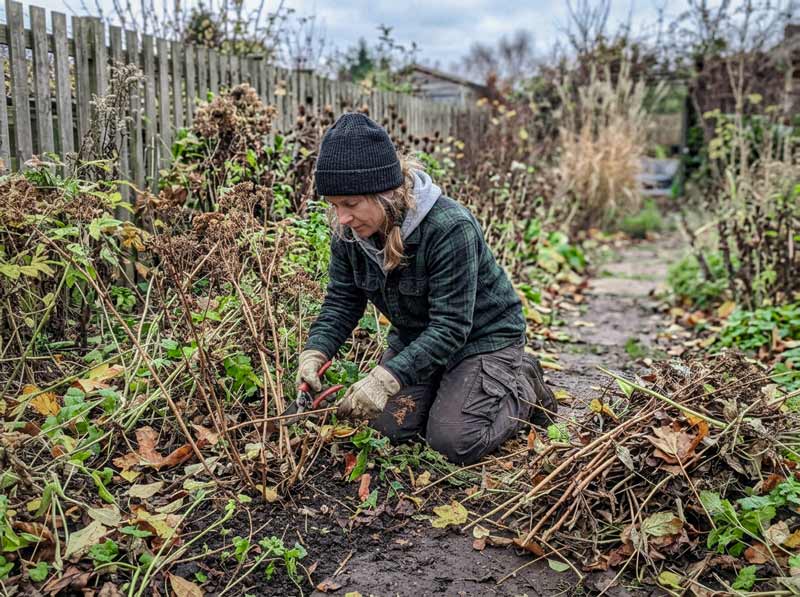
How to Winterize Your Garden: 8 Steps Before Frost
- Clean up dead annuals and diseased debris — remove and dispose of (don’t compost) any diseased plant material to prevent it from overwintering in your beds.
- Cut back perennials that go dormant, leaving a few inches of stem for some species that benefit from a bit of winter structure.
- Divide and transplant overcrowded perennials while the soil is still workable, giving roots time to settle before the ground freezes.
- Add a fresh layer of mulch — 2-3 inches insulates roots and moderates soil temperature swings through freeze-thaw cycles.
- Protect tender or potted plants by bringing them indoors, moving them to a sheltered spot, or wrapping them in burlap.
- Drain and store hoses, then shut off and drain outdoor spigots to prevent freezing and pipe damage.
- Clean and store garden tools — remove dirt, oil metal parts to prevent rust, and store them somewhere dry.
- Plant garlic or spring bulbs before the ground freezes solid, since many varieties need a cold period to properly develop.

When to Start Winterizing Your Garden
Timing matters when figuring out how to winterize your garden effectively. Most tasks should begin a few weeks before your area’s average first frost date, giving you enough time to work through cleanup, mulching, and tool storage before the ground hardens. Watch your local weather forecast closely once nighttime temperatures start dipping into the 40s, since a sudden early frost can catch tender plants off guard. In milder climates, some winterizing tasks can be spread out over several weeks, while colder regions with a short fall window may need to compress the whole process into a single weekend before the first hard freeze arrives.
Protecting Perennials and Shrubs
Newly planted trees and shrubs are especially vulnerable their first winter — a thick mulch ring around the base helps regulate soil temperature and retain moisture. Wrapping young trunks with tree wrap can prevent frost cracking and animal damage. University extension programs publish region-specific winterizing calendars if your area has unusually early or late frost patterns.
Common Winterizing Mistakes
Pruning too aggressively in fall can stimulate new growth that gets damaged by the first hard freeze — most structural pruning is better saved for late winter or early spring. Skipping the mulch step is another common shortcut that leaves roots more exposed to temperature swings than necessary. Rushing through how to winterize your garden in a single afternoon often means these steps get skipped entirely. And forgetting to drain outdoor spigots is one of the most expensive mistakes, since a single frozen, burst pipe can cost far more than the ten minutes it takes to prevent it.
Final Thoughts
Knowing how to winterize your garden properly turns a stressful spring cleanup into a much smaller task, since most of the hard work happens in fall while conditions are still manageable. A weekend of prep now means healthier soil, better-protected plants, and a noticeably easier start to next year’s growing season.
Have a specific plant or climate question about winterizing? Contact us — we’re happy to help point you in the right direction.
