How to Attract Pollinators to Your Garden: 7 Easy Tips
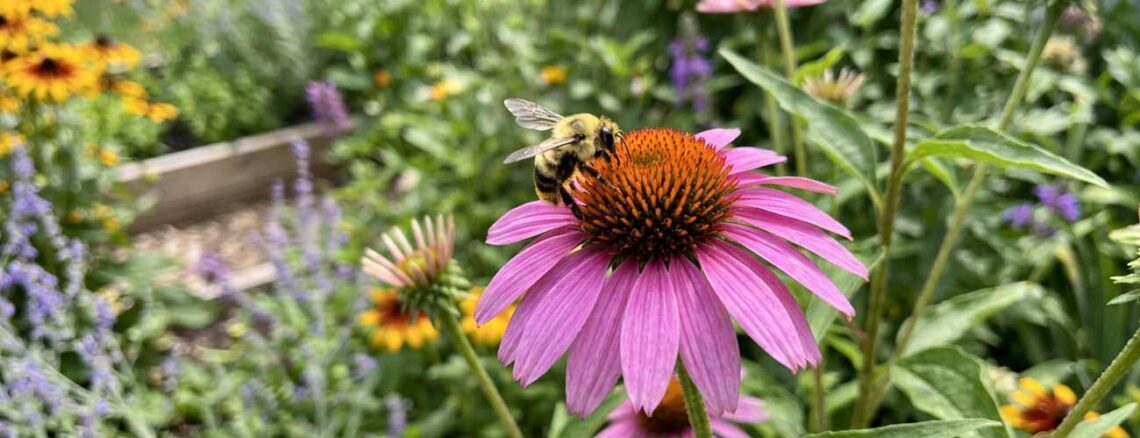
How to attract pollinators to your garden comes down to giving bees, butterflies, and other beneficial insects what they actually need — food, water, and shelter — rather than relying on luck or a single flower type to do all the work.
Why Pollinators Matter for Your Garden
Pollinators are responsible for fertilizing roughly a third of the food crops humans eat, and understanding how to attract pollinators to your garden directly boosts fruit and vegetable yields on plants like tomatoes, squash, and berries. A pollinator-friendly yard also tends to support a wider, healthier ecosystem overall.
How to Attract Pollinators to Your Garden: 7 Tips
- Plant native flowering species — native plants are naturally suited to local pollinators and often require less water and maintenance than exotic alternatives.
- Choose a range of bloom times — planting species that flower from early spring through fall ensures a consistent food source rather than one short burst.
- Add a shallow water source — a birdbath with a few stones for landing spots gives pollinators a safe place to drink.
- Avoid pesticides, especially broad-spectrum insecticides, which can kill beneficial pollinators along with the pests they’re meant to target.
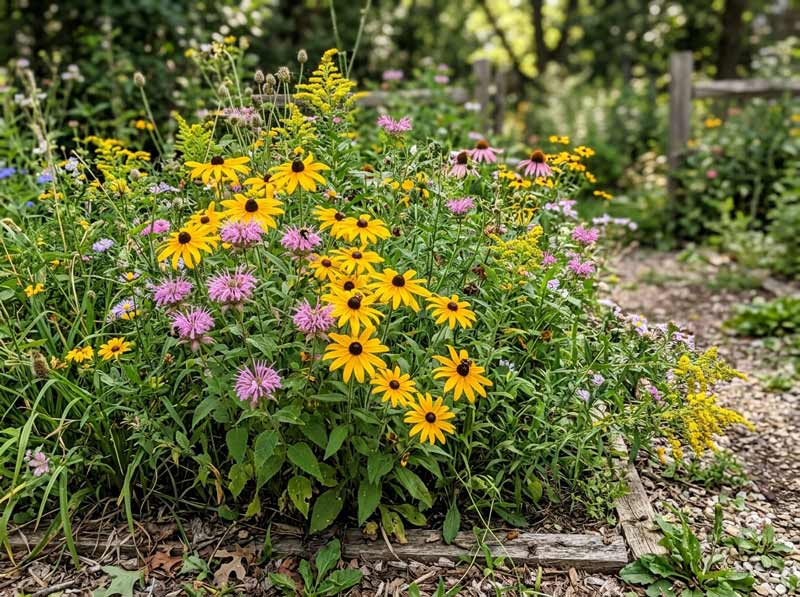
- Plant in clusters rather than single scattered flowers — larger groupings are easier for pollinators to spot and more efficient to visit.
- Leave some bare soil or dead wood — many native bee species nest in the ground or in hollow stems rather than hives.
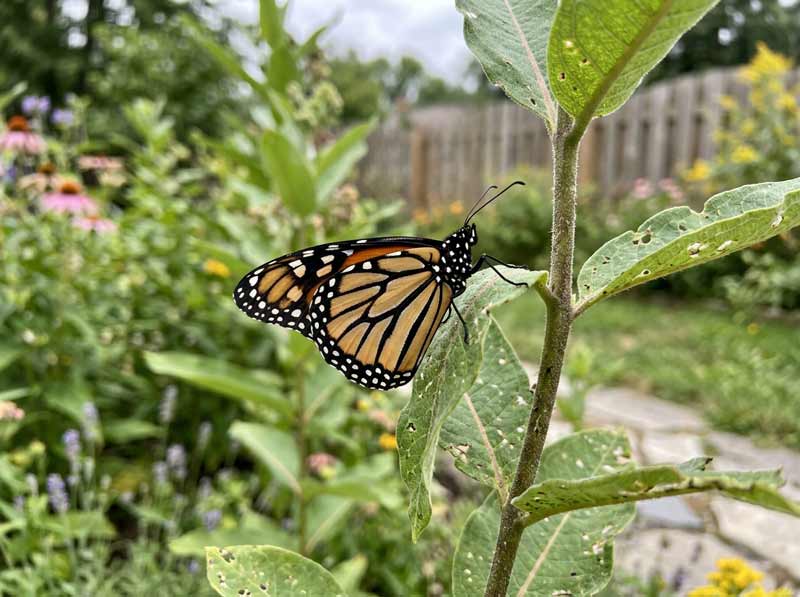
- Include host plants for caterpillars, like milkweed for monarch butterflies, since pollinator gardens support entire life cycles, not just adult insects.
Designing a Pollinator-Friendly Layout
You don’t need a dedicated pollinator garden to see results — even a few strategically placed plants along a border or in containers can make a real difference when figuring out how to attract pollinators to your garden on a small scale. Group flowers in patches of at least three to five plants of the same species, since pollinators are more efficient when they can visit several blooms of the same type in one trip rather than traveling farther between single scattered flowers.
Positioning taller plants toward the back and shorter ones in front keeps everything visible and accessible, and placing your pollinator plants somewhere you can actually see them, like near a window or patio, adds the bonus of enjoying the activity yourself.
Best Plants for Attracting Pollinators
Popular, reliable choices across most US regions include coneflowers, bee balm, black-eyed Susans, lavender, milkweed, and salvia plants. Herbs like basil, oregano, and mint also attract pollinators when allowed to flower, doubling as both a kitchen ingredient and a pollinator food source. University extension pollinator garden guides offer region-specific native plant lists tailored to your exact growing zone.
Pollinator Gardens Through the Seasons
Understanding how to attract pollinators to your garden means thinking beyond a single peak bloom month. Early spring bloomers like crocuses and hyacinths give emerging bees an important early food source after winter dormancy. Summer is typically when most flowering plants peak, so this is the easiest season to keep a garden pollinator-friendly.
Fall bloomers like asters and goldenrod matter more than many gardeners realize, since they provide critical late-season fuel for pollinators preparing for winter or migration, including monarch butterflies heading south. Leaving some seed heads and stems standing through winter rather than cutting everything back in fall also supports overwintering insects that many pollinator populations depend on come spring.
Common Mistakes That Discourage Pollinators
Using pesticides even occasionally can undo months of pollinator-friendly planting, since residue lingers on treated plants — one of the fastest ways to sabotage how to attract pollinators to your garden efforts entirely. Overly tidy gardens that clear away all dead stems and leaf litter remove the nesting habitat many native bees rely on through winter.
And planting only non-native, heavily hybridized ornamental flowers, which often produce little usable nectar or pollen despite looking showy, does less for pollinators than many gardeners expect.
Final Thoughts
Knowing how to attract pollinators to your garden really comes down to variety, consistency, and resisting the urge to keep everything perfectly tidy. A few well-chosen native plants, a water source, and pesticide-free practices go a long way toward turning any yard into a genuinely pollinator-friendly space.
Have a question about pollinator-friendly plants for your specific region? Contact us — we’re happy to help point you in the right direction.


You May Also Like
Composting 101: 7 Simple Steps for Beginners
DIY Raised Garden Bed: 7 Easy Steps for a Great Garden