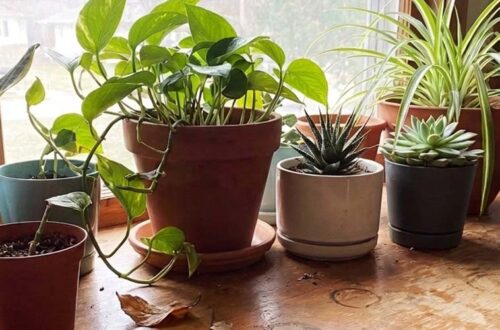
Best Indoor Plants for Low Light Rooms: 8 Easy Picks
Best indoor plants for low light rooms make it possible to enjoy real greenery even in north-facing apartments, windowless offices, or dim hallways where most plants would struggle or slowly decline.
What Counts as “Low Light”
Low light generally means a spot that receives no direct sun and relies mostly on ambient daylight from a distant window, or even primarily artificial light. If you can comfortably read a book without turning on a lamp during the day, the space likely qualifies as low to medium light for plant purposes.
Best Indoor Plants for Low Light Rooms to Try
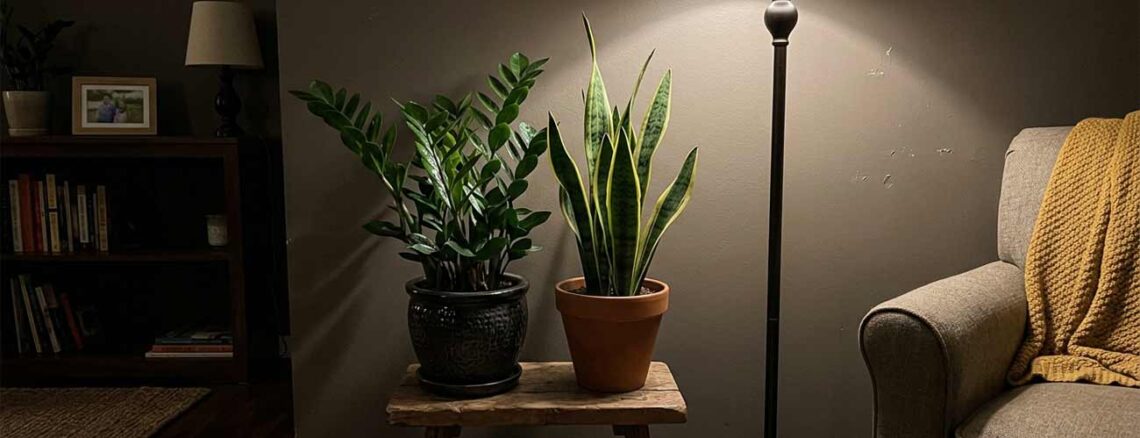
- ZZ Plant — extremely tolerant of low light and irregular watering, making it nearly indestructible in dim corners.
- Snake Plant — handles low light beautifully and can go weeks between waterings without issue.
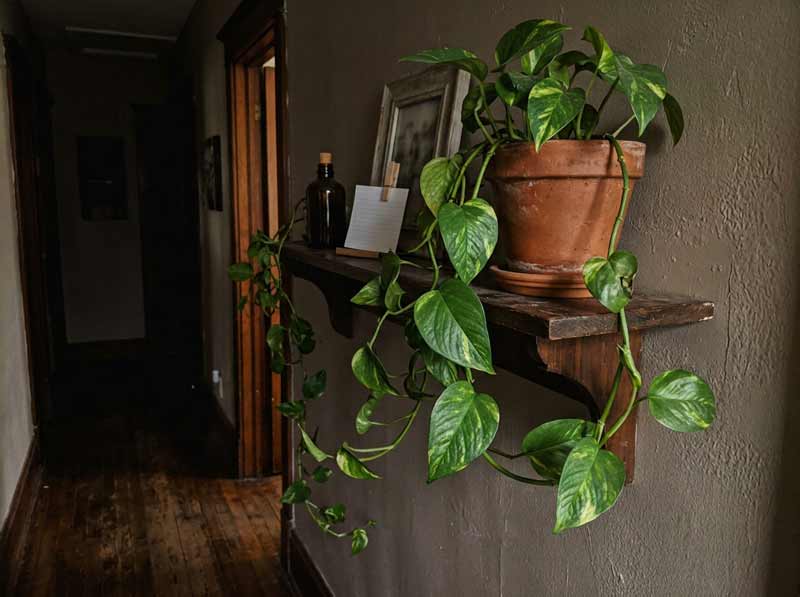
- Pothos — one of the most forgiving trailing plants, adapting well to almost any light level including dim rooms.
- Cast Iron Plant — true to its name, this plant tolerates neglect, low light, and inconsistent watering better than almost anything else.
- Peace Lily — thrives in low light and even produces occasional blooms indoors, while clearly wilting when it needs water.
- Chinese Evergreen — comes in several patterned varieties that tolerate dim conditions while still looking visually interesting.
- Philodendron — fast-growing and adaptable, doing well in low to medium light with minimal fuss.
- Parlor Palm — a classic low-light houseplant that adds height and texture without demanding bright windows.
Choosing Pots and Placement for Low-Light Plants
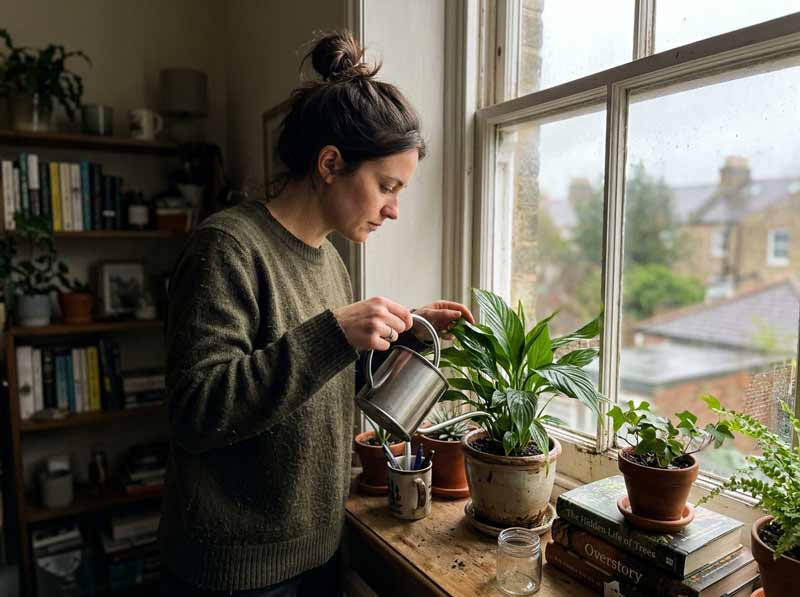
Picking the right pot matters more for the best indoor plants for low light rooms than many people expect. Since these plants dry out more slowly, a pot with a drainage hole is even more important than usual to prevent water from sitting at the roots.
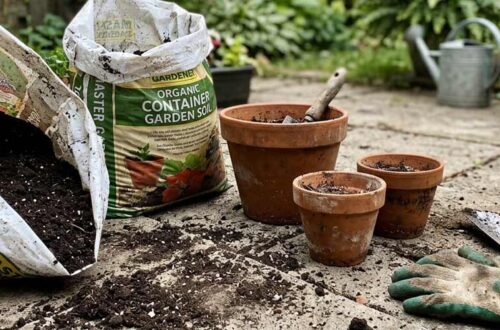
Terracotta pots, which wick moisture out through their porous walls, can help balance out the slower drying time of a dim room.
When it comes to placement, a spot a few feet back from a north-facing window still counts as usable low light, while a corner with no windows at all nearby will need either a genuinely shade-tolerant species from this list or a supplemental grow light to keep plants healthy long-term.
Tips for Helping Low-Light Plants Thrive
Even the best indoor plants for low light rooms still need some care adjustments compared to their sun-loving counterparts. Water less frequently than you would in bright light, since low-light plants use water more slowly and are more prone to root rot from overwatering. Wipe dust off leaves regularly so they can absorb what limited light is available. Rotate pots occasionally so growth doesn’t lean too heavily toward whatever light source exists, and consider a simple grow light for truly windowless rooms if you want more plant variety than low-light species alone allow. University extension houseplant guides often cover light requirements in more technical detail if you want to fine-tune placement further.
Common Mistakes With Low-Light Plants
Overwatering is by far the most common mistake with the best indoor plants for low light rooms, since these species dry out more slowly and sit in damp soil longer than gardeners expect. Placing a plant labeled “low light tolerant” in complete darkness is another frequent error — even the most tolerant species still need some ambient light to survive long-term, not zero light at all. And skipping occasional fertilizing entirely, assuming low-light plants need nothing, can leave them looking pale or leggy over time even if they’re technically surviving.
Final Thoughts
Choosing the best indoor plants for low light rooms opens up far more of your home to greenery than most people realize, even spaces that seemed hopeless for plants before. Start with one or two of the most forgiving options like a ZZ plant or pothos, get a feel for your space’s actual light level, and expand from there.
Have a specific room or lighting situation you’re stuck on? Contact us — we’re happy to help point you in the right direction.


You May Also Like
Best Potting Soil for Container Gardens: 6 Easy Picks