DIY Raised Garden Bed: 7 Easy Steps for a Great Garden
DIY raised garden bed projects are one of the most beginner-friendly ways to start growing your own food, and you can build one in a single weekend with basic tools. Compared to in-ground gardening, a raised bed gives you better control over soil quality, drainage, and weeds from day one.
Materials and Tools You’ll Need
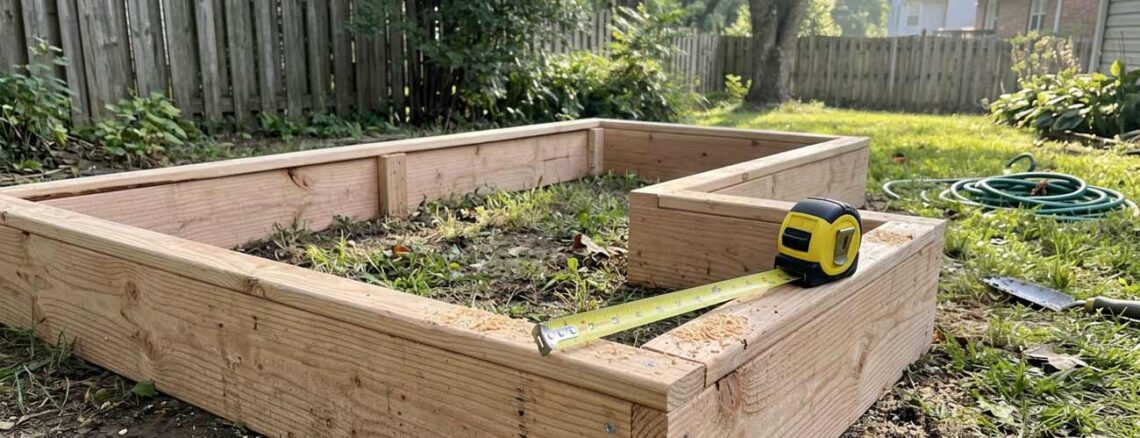
For a standard 4×8 foot bed: six untreated cedar or pine boards (2×8 or 2×10), corner brackets or 4×4 posts, exterior-grade screws, a drill, a saw (or have lumber cut at the store), a level, and landscape fabric or hardware cloth for the base. Total cost typically runs $60-150 depending on wood prices in your area.
How to Build a DIY Raised Garden Bed Step-by-Step
- Choose your location and size. Pick a spot with 6-8 hours of sunlight; a 4×8 foot bed is a manageable first size that isn’t too wide to reach the center.
- Cut the lumber to length if it wasn’t pre-cut — two 8-foot boards and two 4-foot boards per layer for a standard rectangular bed.
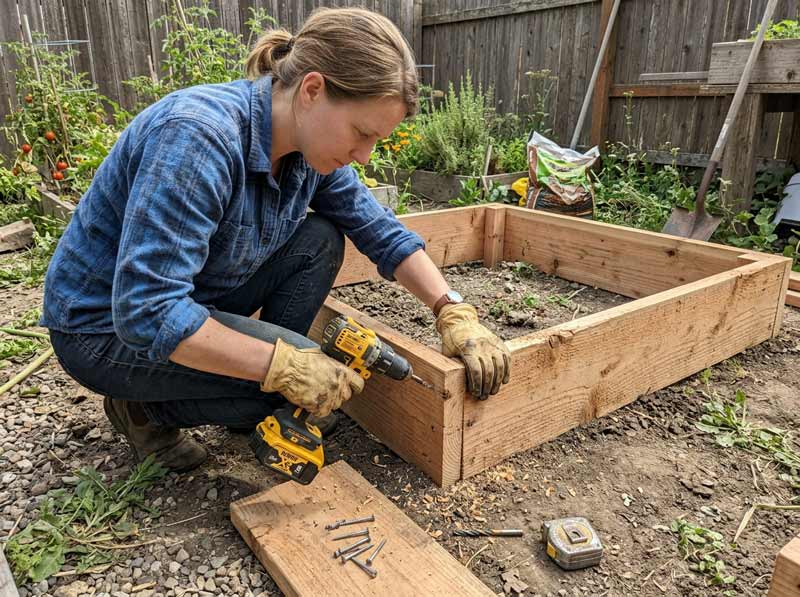
- Assemble the frame using corner brackets or 4×4 corner posts, screwing boards securely into each corner.
- Level the ground where the bed will sit, removing grass or weeds and tamping down any uneven spots.
- Line the bottom with landscape fabric or hardware cloth to block weeds and deter burrowing pests, while still allowing drainage.
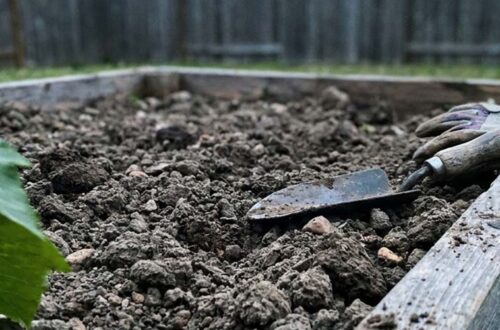
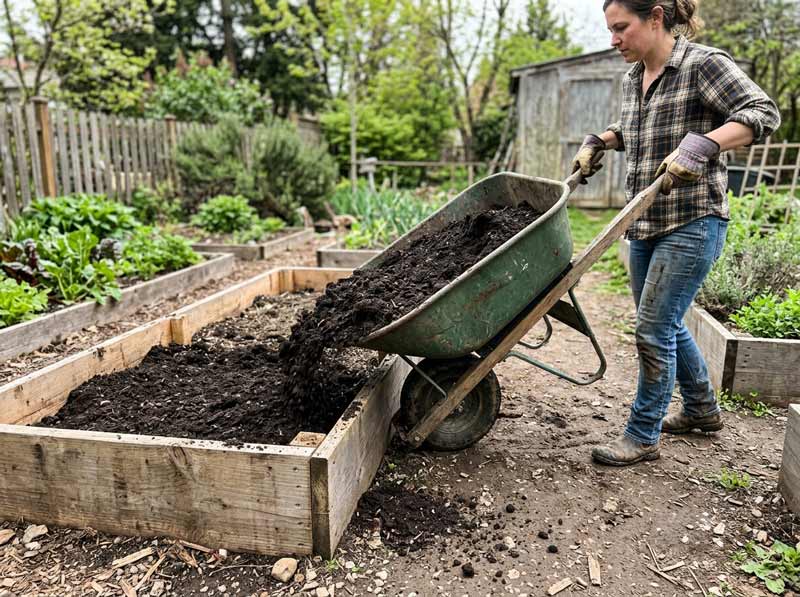
- Fill with a soil mix — roughly equal parts garden soil, compost, and a raised-bed soil blend works well for most vegetables.
- Water thoroughly and plant once the bed is filled, settling the soil before adding seeds or seedlings.
Choosing the Right Wood
Stick to naturally rot-resistant woods like cedar or redwood, or use untreated pine if budget matters more than longevity. Avoid older pressure-treated lumber that may contain chromated copper arsenate (CCA), which can leach chemicals into soil; modern pressure-treated wood uses safer compounds, but many gardeners still prefer untreated options for food-growing beds. University extension programs publish detailed, region-specific guidance on safe raised bed materials if you want more detail before building.
Common Mistakes to Avoid
Skipping the landscape fabric liner often leads to weeds pushing up through the bottom within a season. Building a bed wider than 4 feet makes the center hard to reach without stepping on soil, which compacts it over time. And filling with pure topsoil instead of a proper mix tends to drain poorly and compact quickly, leaving roots struggling for air and nutrients.
How Long Does a DIY Raised Garden Bed Last?
Lifespan depends heavily on the wood you choose. Untreated pine typically lasts 4-6 years before boards start to rot and need replacing, while cedar or redwood can last 10-15 years or more with minimal maintenance. Some gardeners extend the life of a DIY raised garden bed by lining the interior walls with landscape fabric, which keeps damp soil from sitting directly against the wood. Composite or recycled-plastic lumber costs more upfront but can last decades without rotting, which may be worth it if you plan to keep the same bed in place long-term.
Final Thoughts
A DIY raised garden bed is one of the best beginner projects for anyone starting a home garden — it’s affordable, doesn’t require advanced carpentry skills, and gives your plants a real head start with clean, well-draining soil. Once you’ve built your first one, expanding with a second or third bed next season is usually just a matter of repeating the same steps.
Have a question about sizing or materials for your specific yard? Contact us — we’re happy to help point you in the right direction.


You May Also Like
Best Mulch for Flower Beds: 7 Easy Options to Try
When to Plant Tomatoes: 9 Simple Tips for a Great Harvest