Best Mulch for Flower Beds: 7 Easy Options to Try
Comparing the Best Mulch for Flower Beds
Shredded Hardwood Bark is the most common choice for a reason — it breaks down slowly, holds its color well, and looks tidy in almost any garden style. It typically needs topping up once a year.
Pine Bark Nuggets are larger and chunkier, which means they resist washing away in heavy rain better than finer mulches, though they break down more slowly and add fewer nutrients to soil over time.
Pine Straw is lightweight, easy to spread around delicate stems, and works especially well for acid-loving flowers like azaleas and hydrangeas, since it slightly lowers soil pH as it breaks down.
Cocoa Bean Shells have a rich, dark color and a pleasant chocolate scent when fresh, but they can be toxic to dogs if ingested, so skip these if pets roam your yard.
Straw is cheap and breaks down quickly, adding organic matter to soil, but it can look messy in a formal flower bed and may introduce weed seeds if not certified weed-free.
Compost doubles as mulch and fertilizer, feeding your soil as it breaks down, though it needs replenishing more often than bark-based options. The EPA’s composting guide is a solid resource if you want to make your own.
Rubber Mulch lasts the longest of any option and never needs replacing, but it adds no nutrients to soil and isn’t ideal for flower beds where you want the soil ecosystem to stay healthy and biologically active.
How Much Mulch Do You Need
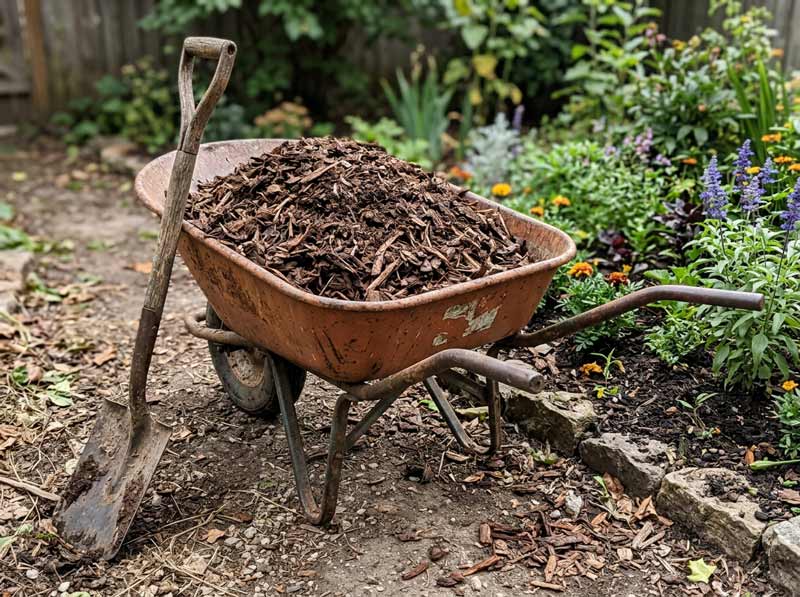
No matter which type you pick, applying the best mulch for flower beds correctly matters as much as the material itself. Aim for a layer 2-3 inches deep, keeping mulch a few inches away from plant stems to prevent rot. A cubic yard of mulch covers roughly 100 square feet at that depth. Local Cooperative Extension offices often have calculators and region-specific advice if you’re unsure how much to buy.
Tips for Applying Mulch the Right Way
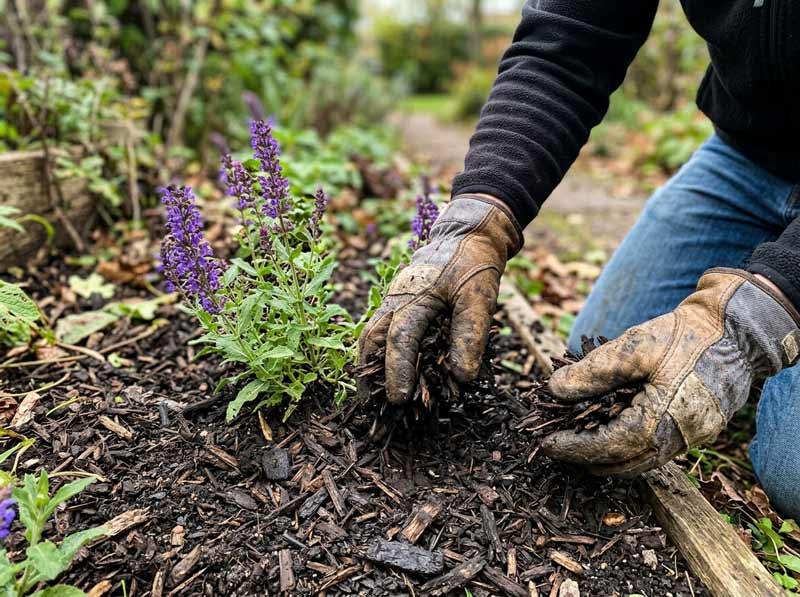
Weed and water the bed thoroughly before mulching — trapping weeds or dry soil underneath defeats the purpose. Spread mulch evenly with a rake rather than piling it high in one spot, and avoid mounding mulch directly against stems or trunks, sometimes called “mulch volcanoes,” which can trap moisture and invite rot or pests. Even the best mulch for flower beds won’t help much if it’s piled too thick or too close to stems. Refresh thinner areas as needed rather than replacing the entire bed each year — most mulch types only need a partial top-up once the layer thins below an inch or so.
Final Thoughts
There’s no single best mulch for flower beds — it depends on your budget, your pets, your soil goals, and how much maintenance you’re willing to keep up with. Shredded hardwood bark is the safest all-around pick if you’re not sure where to start.
Have a specific flower bed or soil question? Contact us — we’re happy to help point you in the right direction.


You May Also Like
When to Plant Tomatoes: 9 Simple Tips for a Great Harvest