Spring Garden Prep Checklist: 8 Easy Steps Before Planting
Spring garden prep checklist tasks make the difference between a strong, productive growing season and one spent constantly playing catch-up. A few hours of prep once the ground thaws sets up everything that follows for the rest of the year.
Why Spring Prep Matters
Skipping spring prep often means discovering problems mid-season instead — depleted soil, overlooked pest damage, or tools that don’t work when you actually need them. A methodical spring garden prep checklist catches these issues while there’s still time to fix them before planting.
Spring Garden Prep Checklist: 8 Steps to Complete
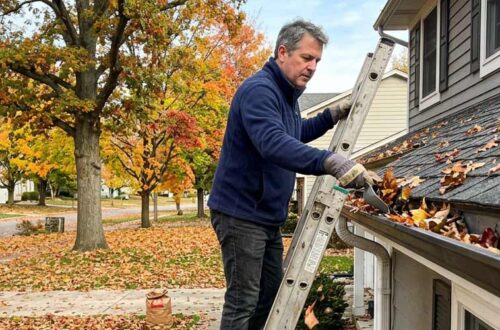
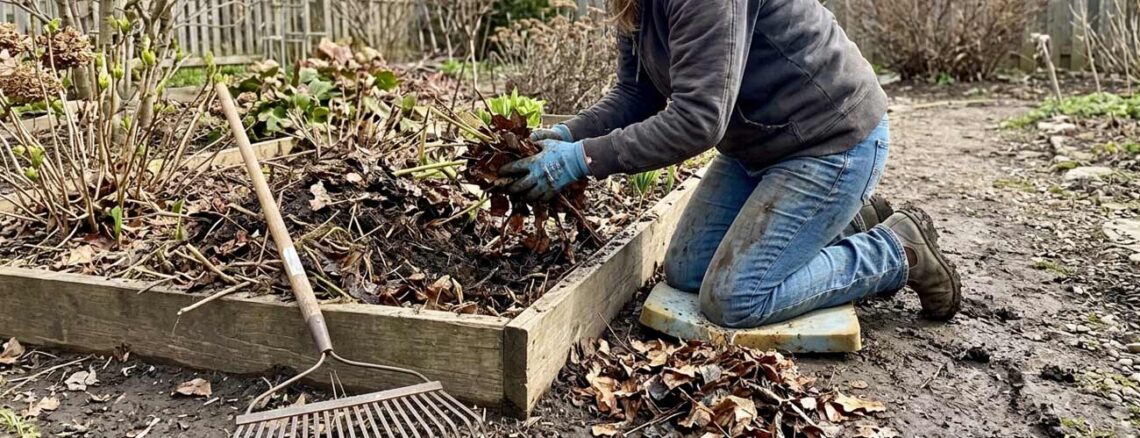
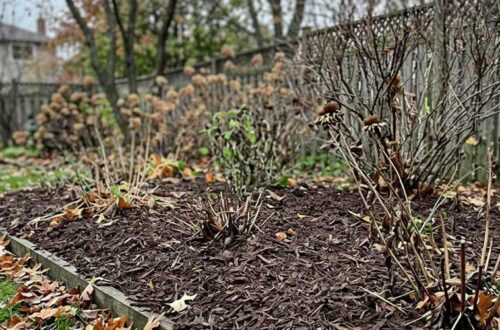
- Clear away winter debris — remove dead leaves, fallen branches, and last year’s dead plant material from beds before anything else.
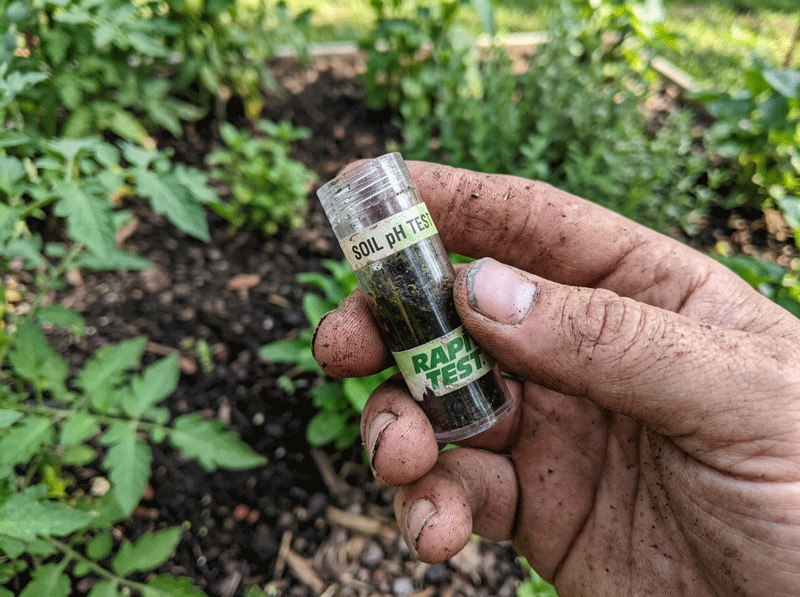
- Test and amend your soil — a basic soil test reveals pH and nutrient levels, letting you add compost or amendments before planting rather than after problems appear.
- Edge and define garden beds — refreshing bed edges now makes maintenance easier all season and gives the whole yard a tidier look immediately.
- Prune winter-damaged branches — cut back anything broken or dead on shrubs and trees before new growth fully emerges.
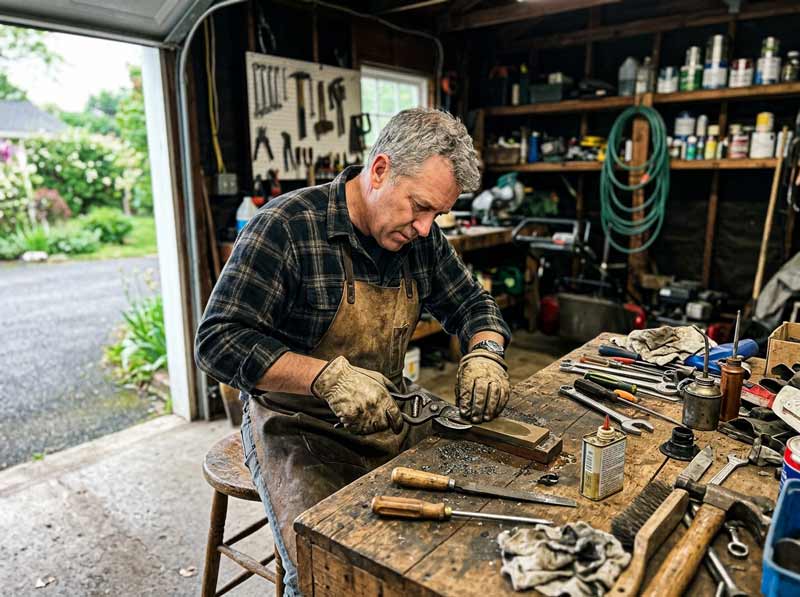
- Sharpen and clean tools — a sharp pruner and clean shovel make every task easier and reduce plant stress from ragged cuts.
- Check irrigation systems — inspect hoses, sprinklers, and drip lines for winter damage before you actually need them running daily.
- Divide overcrowded perennials — early spring, before new growth is too far along, is an ideal window for dividing and transplanting.
- Refresh mulch layers — top off thinning mulch to suppress early weeds and retain soil moisture as temperatures rise.
Supplies Worth Having on Hand
A well-stocked shed makes working through a spring garden prep checklist much smoother. Fresh compost or a soil amendment based on your test results, a sharp pair of pruners, work gloves, a hand trowel, and extra mulch are the essentials most gardeners reach for repeatedly during this season.
If your soil test reveals a significant pH imbalance, pick up lime (to raise pH) or sulfur (to lower it) ahead of time rather than discovering the need mid-project and having to pause.
Having these basics ready before you start means less back-and-forth to the store and more actual progress each time you head outside.
Timing Your Spring Garden Prep
Start a spring garden prep checklist as soon as soil is workable — generally once it’s no longer frozen or waterlogged, which you can test by squeezing a handful; if it crumbles rather than forming a muddy ball, it’s ready. Working wet, compacted soil too early can undo months of structure and harm its texture for the rest of the season. In most US regions, this window falls somewhere between late February and April depending on climate, so local timing matters more than a fixed calendar date.
Common Spring Prep Mistakes
Planting too early, before the last frost date for your zone, is one of the most common and costly mistakes, risking tender new growth to a late cold snap. Checking your USDA hardiness zone and average frost dates before planting takes just a few minutes and prevents this exact problem. Skipping the soil test step and guessing at amendments can waste money on nutrients your soil doesn’t actually need, or miss ones it does. And rushing bed cleanup without checking for beneficial overwintering insects can accidentally remove habitat that was quietly helping your garden all along.
Final Thoughts
Working through a full spring garden prep checklist doesn’t need to happen in a single weekend — spreading these 8 tasks across a few weeks as weather allows keeps the workload manageable. A little structured prep now pays off with healthier soil, fewer surprises, and a noticeably stronger start to the growing season ahead.
Have a specific spring prep question for your zone or climate? Contact us — we’re happy to help point you in the right direction.

You May Also Like
How to Winterize Your Garden: 8 Simple Steps Before Frost