7 Simple Steps to Start a Vegetable Garden for Beginners
Vegetable garden for beginners guides often make the process sound more complicated than it needs to be — there’s soil to think about, sunlight, watering schedules, and a hundred different opinions online about what “the right way” looks like.
1. Pick the Right Spot for Your Vegetable Garden
Most vegetables need at least 6-8 hours of direct sunlight a day. Before you dig anything, spend a day watching your yard to see which areas get the most consistent sun. South-facing spots (in the Northern Hemisphere) usually get the best exposure.
You’ll also want a spot that’s:
- Close to a water source (a long hose walk gets old fast)
- Reasonably flat, so water doesn’t run off before soaking in
- Not directly under large trees, which compete for water and nutrients
2. Raised Bed or In-Ground: What’s Best for a Vegetable Garden for Beginners
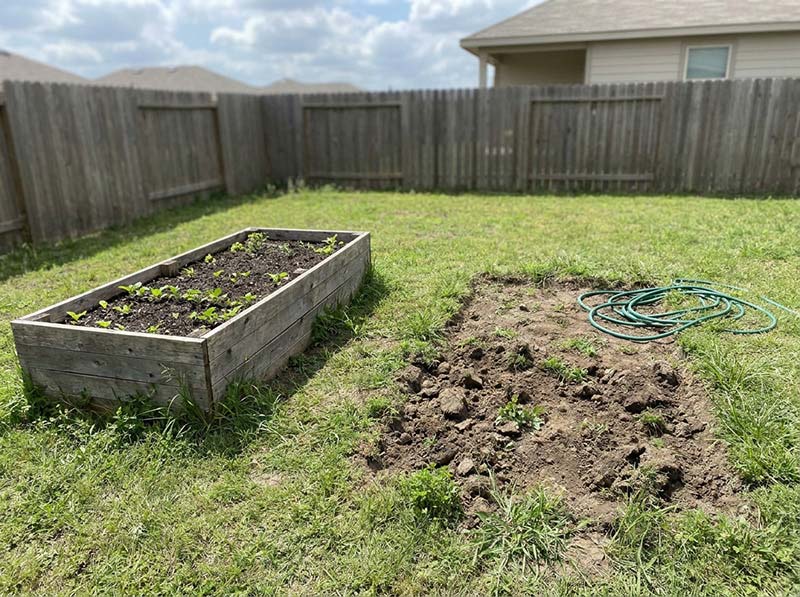
Raised beds are the easier starting point for most beginners — you control soil quality from day one, and they warm up faster in spring. A simple 4×8 foot bed is a great first size.
In-ground gardens are cheaper to start but need more soil prep, especially with clay-heavy or rocky soil. If you’re unsure, start with one raised bed and expand next season.
3. Get Your Soil Right
Soil is where most of the work in a vegetable garden for beginners actually happens. Mix equal parts garden soil, compost, and a bagged raised-bed blend if using a raised bed; if planting in-ground, work several inches of compost into existing soil. Avoid soil that’s mostly clay or sand without amendment.
A basic soil test (many local state Cooperative Extension offices offer these cheaply) can help, though it’s not required to start.
4. Choose Beginner-Friendly Vegetables
Skip the temptation to grow everything at once. Start with vegetables that are forgiving and fast to show results:
- Tomatoes (start with a determinate variety, easier to manage than sprawling indeterminate types)
- Zucchini (extremely productive, sometimes overwhelmingly so)
- Lettuce and leafy greens (fast-growing, great for beginners who want quick wins)
- Green beans (low-maintenance, good yield)
- Peppers (slower to start but low-fuss once established)
Avoid starting with finicky crops like cauliflower or celery in your first year — they demand more precise conditions than most beginners want to manage right away. Check your USDA hardiness zone to know your safe planting windows.
5. Water Consistently, Not Just Often
Watering mistakes are one of the most common reasons a vegetable garden for beginners struggles in its first season. More gardens fail from inconsistent watering than almost any other cause. The goal is deep, less frequent watering rather than a light daily sprinkle, which encourages roots to grow shallow and weak.
A good baseline: water deeply 2-3 times a week, adjusting for rainfall and heat. Stick your finger 2 inches into the soil — if it’s dry at that depth, it’s time to water.
6. Don’t Skip Mulch
A 2-3 inch layer of mulch (straw, shredded leaves, or bark) around your plants does three things at once: keeps moisture in the soil longer, blocks weeds from taking over, and regulates soil temperature. It’s one of the lowest-effort, highest-impact things you can do in your first season.
7. Common Mistakes to Avoid With a Vegetable Garden for Beginners
- Planting too much, too soon — a small, well-tended garden beats an overwhelming one you can’t keep up with
- Ignoring spacing requirements — overcrowded plants compete for nutrients and airflow, which invites disease
- Giving up after the first failure — some plant loss is normal, even for experienced gardeners
Final Thoughts
Any vegetable garden for beginners will have its rough patches, and that’s completely normal — every gardener’s first season comes with some trial and error. Start small, pick a few forgiving crops, stay consistent with watering, and you’ll likely be harvesting something within a few weeks of your first planting.
Have questions about your specific growing zone or setup? Contact us — we’re always looking for real reader questions to turn into future guides.
